Affordable Forklift Servicing in Sydney: Boost Safety and Efficiency with Expert Maintenance
Written By : Darko
Regular forklift servicing is crucial for maintaining safety and efficiency in industrial operations. This article explores the importance of affordable forklift servicing, detailing how it enhances safety, reduces downtime, and ultimately saves costs. With the right maintenance practices, businesses in Sydney can ensure their equipment operates at peak performance, minimising the risk of accidents and operational disruptions. We will delve into the essential aspects of forklift servicing, including preventative maintenance, typical costs, specialised servicing for different forklift types, emergency repair services, and compliance with Australian safety regulations. By understanding these elements, businesses can make informed decisions about their forklift maintenance strategies.
Why Is Regular Forklift Servicing Essential for Safety and Efficiency?
Regular forklift servicing is vital for ensuring the safety and efficiency of operations. It involves systematic checks and maintenance to prevent mechanical failures that could lead to accidents. By adhering to a scheduled maintenance plan, businesses can significantly reduce the risk of equipment breakdowns, which can disrupt operations and pose safety hazards. Moreover, regular servicing helps in identifying potential issues before they escalate, ensuring that forklifts remain compliant with Australian safety regulations.
How Does Preventative Maintenance Reduce Downtime and Repair Costs?
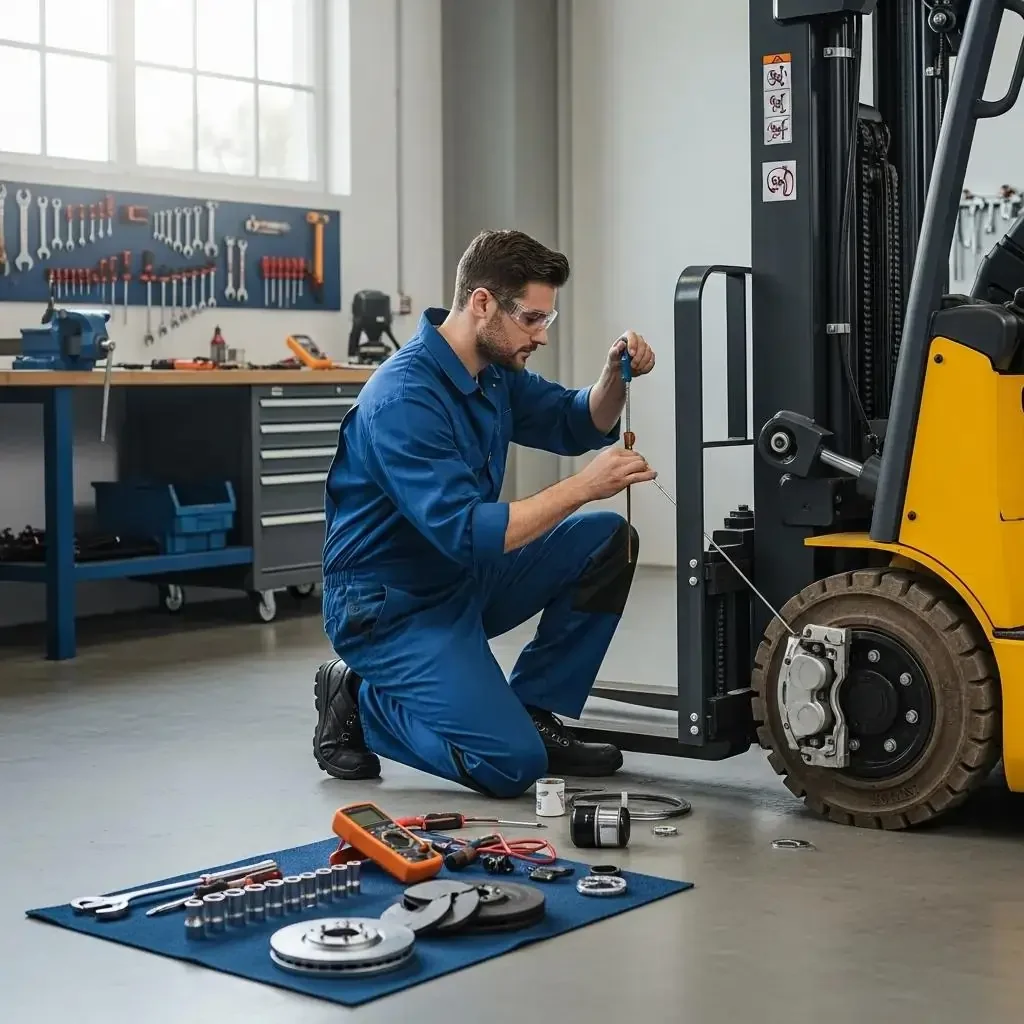
Preventative maintenance is a proactive approach that involves regular inspections and servicing of forklifts to prevent unexpected breakdowns. This strategy not only minimises downtime but also reduces repair costs significantly. For instance, routine checks can identify wear and tear on critical components, allowing for timely replacements before they fail. Common maintenance tasks include oil changes, brake inspections, and tyre checks, which collectively contribute to the longevity of the equipment. By investing in preventative maintenance, businesses can save on costly emergency repairs and ensure continuous operation.
What Safety Benefits Result from Scheduled Forklift Servicing?
Scheduled forklift servicing provides numerous safety benefits that are essential for any workplace. Regular maintenance ensures that all safety features, such as brakes, lights, and alarms, are functioning correctly, thereby reducing the likelihood of accidents. While specific statistics vary, companies that adhere to a strict maintenance schedule generally experience fewer workplace injuries related to forklift operations. Additionally, routine servicing helps in maintaining compliance with Australian Work Health and Safety (WHS) regulations, which is crucial for avoiding legal repercussions and ensuring a safe working environment.
What Are the Typical Costs and Contracts for Forklift Servicing in Sydney?
Understanding the costs associated with forklift servicing is essential for budgeting and planning. The expenses can vary based on the type of service required, the frequency of maintenance, and the specific contracts offered by service providers in Sydney. Typically, businesses can expect to pay for both routine maintenance and any necessary repairs, which can be bundled into service contracts for cost efficiency.
How Is Forklift Maintenance Cost Determined?
The cost of forklift maintenance is determined by several factors, including the type of forklift, the complexity of the service required, and the service provider's pricing structure. On average, businesses may spend between AUD 100 to AUD 300 per service, depending on the extent of the maintenance needed. Factors influencing these costs include the age of the forklift, its usage frequency, and the specific parts that may need replacement. Understanding these components can help businesses make informed decisions regarding their maintenance budgets.
A deeper understanding of the true drivers behind forklift operating expenses is crucial for optimising maintenance strategies and overall fleet efficiency.
Optimise Forklift Costs, Maintenance & Efficiency
Inflated costs are usually incurred due to the lack of knowledge or little insight into the true drivers of forklift operating expenses, maintenance, life cycle and efficient utilisation. A comprehensive study on all abovementioned aspects affecting forklifts would prove beneficial in the long run for any business that utilises such a fleet.
Study on efficient forklift utilisation, cost & life cycle analysis, 2013
What Are the Advantages of Forklift Service Contracts?
Forklift service contracts offer several advantages that can lead to significant cost savings and operational efficiency. These contracts typically cover routine maintenance and emergency repairs, providing businesses with peace of mind. By entering into a service contract, companies can benefit from predictable costs, as they will know in advance what their maintenance expenses will be. Additionally, service contracts often include priority service, ensuring that any issues are addressed promptly, which minimises downtime and keeps operations running smoothly.
Which Forklift Types Require Specialised Servicing and Repairs?
Different types of forklifts have unique servicing needs that require specialised knowledge and skills. Understanding these requirements is crucial for ensuring that each forklift type operates efficiently and safely.
How Are Electric Forklifts Maintained Differently?
Electric forklifts require specific maintenance practices that differ from their diesel or gas counterparts. Key maintenance tasks include regular battery checks, ensuring proper charging cycles, and inspecting electrical components for wear. Battery maintenance is particularly critical, as it directly impacts the forklift's performance and lifespan. Proper care can prevent costly replacements and ensure that electric forklifts operate efficiently, making them a popular choice for indoor operations.
What Are Key Considerations for Diesel and Gas Forklift Repairs?
Diesel and gas forklifts have distinct servicing requirements that focus on engine performance and fuel efficiency. Regular checks on fuel systems, exhaust components, and engine oil levels are essential to maintain optimal performance. Additionally, these forklifts may require more frequent servicing due to the higher wear and tear associated with combustion engines. Understanding these considerations helps businesses ensure that their diesel and gas forklifts remain reliable and compliant with environmental regulations.
How Do Emergency Forklift Repair Services Minimise Operational Disruptions?
Emergency forklift repair services play a crucial role in minimising operational disruptions caused by unexpected breakdowns. Quick response times and efficient repair processes are essential for keeping businesses running smoothly.
What Is the Typical Response Time for Emergency Repairs?
The typical response time for emergency forklift repairs can vary based on the service provider and the nature of the issue. However, many providers aim to respond within 24 hours to ensure minimal downtime. Factors affecting response times include the availability of parts and the technician's proximity to the site. Businesses that have established relationships with local service providers often benefit from faster response times, which can significantly reduce the impact of equipment failures on operations.
How Do On-Site Repairs and Replacement Options Work?
On-site repairs are a convenient option for businesses, allowing technicians to address issues directly at the workplace. This approach minimises downtime, as forklifts can often be repaired without the need for transportation to a service centre. Service providers typically bring the necessary tools and parts to perform repairs on-site, ensuring that operations can resume quickly. Additionally, businesses may have the option to replace faulty components immediately, further reducing the impact of equipment failures.
How Does Compliance with Australian Forklift Safety Regulations Impact Servicing?
Compliance with Australian forklift safety regulations is a critical aspect of servicing that ensures the safety of operators and the integrity of operations. Understanding these regulations helps businesses maintain their equipment effectively.
What Are the Legal Requirements for Forklift Inspections?
Legal requirements for forklift inspections in Australia mandate that all forklifts undergo regular safety checks to ensure they meet operational standards. These inspections typically include checks on brakes, steering, and safety features, in accordance with Australian Work Health and Safety (WHS) regulations. Businesses are required to keep detailed records of inspections and maintenance to demonstrate compliance. Failure to adhere to these regulations can result in penalties and increased liability in the event of an accident.
Understanding the specific legal frameworks, such as those outlined in Australian WHS legislation, is paramount for ensuring comprehensive safety and compliance in forklift operations.
How Do Servicing Providers Ensure WHS Compliance?
Servicing providers play a vital role in ensuring compliance with Australian Work Health and Safety (WHS) regulations. These regulations require that all lifting equipment, including forklifts, is maintained in a safe condition and regularly inspected. Reputable service providers will have processes in place to ensure that all servicing meets these legal requirements, providing businesses with the assurance that their equipment is safe and compliant.
| Service Type | Cost (Illustrative) | Benefits |
|---|---|---|
| Routine Maintenance | AUD 100 - AUD 300 | Prevents breakdowns, ensures safety |
| Emergency Repairs | Varies | Minimises downtime, quick response |
| Service Contracts | Varies | Predictable costs, priority service |
This table illustrates the various service types available for forklift maintenance, highlighting their costs and benefits. Understanding these options can help businesses choose the right maintenance strategy for their needs.
Forklift servicing is essential for maintaining safety and efficiency in operations. By investing in regular maintenance, businesses in Sydney can reduce downtime, enhance safety, and ensure compliance with Australian regulations. Understanding the costs and types of services available allows companies to make informed decisions that support their operational goals.