Written By: Darko
Choosing between scissor lifts and reach trucks is a common decision for industrial operations. Each type of equipment delivers distinct advantages for specific tasks and environments. This article examines the key features, benefits, and typical applications of both options to support an informed business decision. Understanding their strengths helps you enhance safety, efficiency, and productivity. The discussion includes scissor lift benefits, safety features, maintenance guidance, and comparisons to reach trucks.
What Are the Key Advantages of Scissor Lifts for Vertical Material Handling?
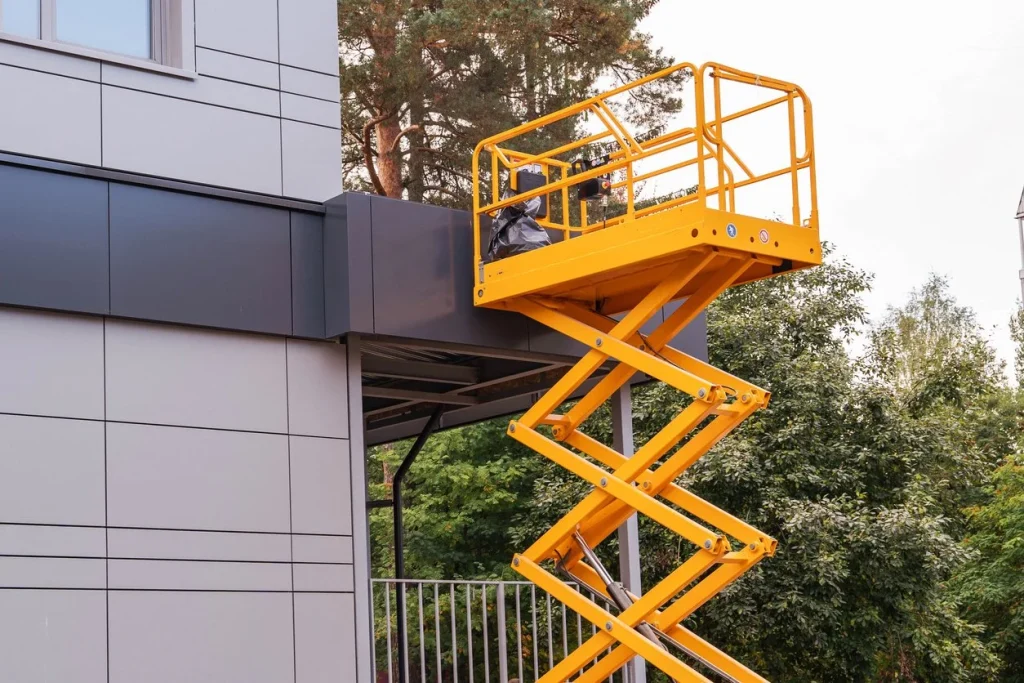
Scissor lifts provide vertical lifting with a stable work platform that improves safe access to elevated areas. Their principal benefits are better access to high shelving, stronger protection for workers, and cost-effective performance across a range of applications.
The hydraulic design and operational characteristics of scissor lifts are widely recognised for enhancing workplace safety and operational efficiency.
Hydraulic Scissor Lift Design & Industrial Applications
Hydraulic scissor lifts use hydraulic systems to raise and lower a platform to a selected height, reducing the need for manual lifting and bending. They are commonly employed in industrial, warehousing, and distribution settings. The device speeds tasks, lowers injury risk, and simplifies work processes.
Design and Development of Hydraulic Scissor Lift, 2020
Improved Access: Scissor lifts can reach heights that allow workers to access high shelves and overhead areas, making them ideal for warehouses and construction sites.
Enhanced Safety: With enclosed platforms and guardrails, scissor lifts protect operators from falls, significantly reducing workplace accidents.
Cost-Effective Solutions: Scissor lifts are often more affordable to rent or purchase compared to other lifting equipment, making them a budget-friendly option for many businesses.
For those considering scissor lifts, Wollongong Forklift supplies a range of models designed to meet diverse operational requirements.
How Do Scissor Lifts Enhance Safety and Efficiency in Elevated Work?
Scissor lifts improve safety and efficiency for elevated tasks through specific design features. Enclosed platforms reduce fall risk, and the compact configuration supports manoeuvring in confined spaces.
Enclosed Platforms: The design of scissor lifts includes guardrails and safety features that prevent falls, ensuring operator safety during elevated tasks.
Increased Productivity: By providing a stable and secure platform, scissor lifts enable workers to perform tasks more efficiently, reducing the time spent on each job.
Streamlined Operations: The ability to quickly reposition and adjust the height of the lift allows for a seamless workflow, minimising downtime and enhancing overall productivity.
These design elements make scissor lifts a practical option for businesses aiming to improve operational efficiency.
What Are Essential Scissor Lift Maintenance Tips to Ensure Reliability?
Regular maintenance is essential to preserve reliability and extend the service life of scissor lifts. Key maintenance tasks include the following.
Check and Change Filters: Regularly inspect and replace air and hydraulic filters to maintain optimal performance.
Inspect Hydraulic Systems for Leaks: Regularly check hydraulic lines and connections for leaks to prevent operational failures.
Conduct Safety Tests: Perform routine safety tests to ensure all safety features are functioning correctly, including emergency stop buttons and guardrails.
Adopting these maintenance practices helps prevent costly repairs and supports the safe operation of scissor lifts.
How Do Reach Trucks Compare to Forklifts in Warehouse Operations?
Reach trucks and forklifts fulfil different roles within warehouse operations, with each offering specific operational advantages.
Design and Functionality Differences: Reach trucks are designed for narrow aisles, allowing for efficient storage and retrieval of goods in tight spaces, while forklifts are more versatile for various lifting tasks.
Operational Environment Suitability: Reach trucks excel in environments where space is limited, making them ideal for high-density storage solutions.
Lift Height and Capacity: Reach trucks typically offer higher lift heights compared to standard forklifts, making them suitable for accessing upper shelves in warehouses.
Recognising these differences enables businesses to select equipment that aligns with their operational requirements.
What Reach Truck Safety Features Are Critical for Operator Protection?
Operator safety is a primary consideration for reach trucks. Key safety features include:
Automatic Speed Reduction : This feature slows down the truck when turning or operating at height, reducing the risk of accidents.
Load Stability Control : Advanced systems ensure that loads remain stable during lifting and movement, preventing tipping.
Effective Braking Systems : Reliable braking systems are essential for safe operation, allowing for quick stops when necessary.
These systems are essential for protecting operators and maintaining safe warehouse operations.
How Does Reach Truck Manoeuvrability Benefit Narrow Aisle Environments?
The manoeuvrability of reach trucks delivers a clear advantage in narrow-aisle environments.
Enhanced Efficiency : Their compact design allows for quick navigation in tight spaces, improving overall operational efficiency.
Increased Storage Capacity : By utilising narrow aisles, businesses can maximise storage space, accommodating more inventory without expanding the warehouse footprint.
Cost Savings : Efficient use of space can lead to reduced operational costs, as businesses can store more products in the same area.
This manoeuvrability makes reach trucks well suited to businesses seeking to optimise their warehouse layout.
What Are the Typical Rental Costs and Options for Scissor Lifts and Reach Trucks?
Rental costs for scissor lifts and reach trucks vary according to several factors that affect overall pricing.
Short-Term vs. Long-Term Rental Costs : Short-term rentals are typically more expensive on a per-day basis, while long-term rentals can offer significant savings.
Factors Influencing Pricing : Equipment availability, rental duration, and specific model features can all impact rental costs.
Rental Agreements : Understanding the terms of rental agreements, including maintenance responsibilities and insurance coverage, is essential for businesses.
Assessing these factors helps businesses make informed decisions when renting lifting equipment.
How Do Rental Contracts Vary Between Short-Term and Long-Term Equipment Leasing?
Rental contracts for lifting equipment commonly differ based on lease duration and the associated terms.
Duration and Flexibility : Short-term contracts often provide more flexibility for businesses with fluctuating needs, while long-term contracts may offer better rates for consistent usage.
Cost Structure : Short-term rentals typically have higher daily rates, while long-term rentals may include discounts for extended commitments.
Maintenance and Support : Long-term contracts may include maintenance services, ensuring the equipment remains in good working condition throughout the lease.
Awareness of these differences helps businesses select the most suitable rental arrangement for their needs.
What Factors Influence Scissor Lift and Reach Truck Rental Pricing?
Several factors affect the rental pricing of scissor lifts and reach trucks and should be considered when budgeting.
Rental Duration : Longer rental periods often result in lower daily rates, making it more cost-effective for businesses with extended projects.
Equipment Availability : High demand for specific models can drive up rental prices, especially during peak seasons.
Delivery and Pickup Fees : Additional costs may apply for transporting the equipment to and from the rental location.
Considering these factors enables businesses to anticipate rental costs and plan budgets more accurately.
Which Safety Guidelines and Compliance Standards Apply to Scissor Lifts and Reach Trucks?
Compliance with established safety guidelines and standards is essential for safe operation of scissor lifts and reach trucks. Key areas include:
Pre-Operation Safety Checks : Operators should conduct thorough inspections before use to identify any potential issues.
Safe Operating Practices : Following established protocols for operating equipment can prevent accidents and injuries.
Emergency Preparedness : Training operators on emergency procedures ensures a quick response in case of an incident.
Adherence to these guidelines is necessary to maintain a safe work environment and reduce operational risk.
What Are the Operator Training Requirements for Safe Equipment Use?
Comprehensive operator training is fundamental to safe equipment use. Core training requirements include:
Competency Verification : Operators must demonstrate their ability to operate equipment safely and effectively.
Accredited Training : Training programs should be conducted by accredited organisations to ensure comprehensive coverage of safety practices.
Refresher Training : Regular refresher courses help maintain operator skills and knowledge of safety protocols.
Implementing these training measures reduces the likelihood of incidents and supports a safer workplace.
How Do Industry Safety Standards Like OSHA and HSE Impact Equipment Operation?
Industry safety standards from organisations such as OSHA and HSE establish requirements that affect equipment operation and workplace procedures.
Legal Requirements for Employers : Employers are obligated to provide a safe working environment, which includes adhering to safety standards for equipment operation.
Training and Supervision : Compliance with safety standards necessitates proper training and supervision of operators to ensure safe practices are followed.
Maintenance of Equipment : Regular maintenance and inspections are required to keep equipment in safe working condition, as mandated by safety regulations.
Familiarity with these standards is necessary for legal compliance and for protecting the workforce.
How Do Scissor Lifts and Reach Trucks Differ in Operational Costs and Environmental Impact?
Operational costs and environmental impact are key considerations when evaluating scissor lifts and reach trucks for business use.
Cost Differences Between Electric and Diesel : Electric models typically have lower operational costs compared to diesel, which may incur higher fuel expenses.
Environmental Regulations : Electric equipment often aligns better with environmental regulations, making them a more sustainable choice for businesses.
Operational Efficiency : The efficiency of equipment can also impact overall costs, with well-maintained machines providing better performance and lower energy consumption.
Reviewing these factors helps businesses make procurement decisions that balance cost and environmental objectives.
What Are the Benefits of Electric Versus Diesel-Powered Lift Equipment?
The choice between electric and diesel-powered lift equipment requires consideration of operational and environmental trade-offs. Key benefits include:
Environmentally Friendly : Electric lifts produce zero emissions, making them a more sustainable option for indoor use.
Lower Operating Costs : Electric models generally have lower fuel and maintenance costs compared to diesel counterparts.
Regulatory Compliance : Electric equipment often meets stricter environmental regulations, making it suitable for businesses focused on sustainability.
These benefits underscore the advantages of electric lift equipment for many modern industrial applications.
How Does Warehouse Automation Influence Reach Truck Adoption?
Warehouse automation is an increasing factor in the adoption of reach trucks and other material-handling equipment.
Increased Efficiency : Automated systems can enhance the efficiency of reach trucks, allowing for faster inventory management and retrieval.
Adoption Trends : As businesses seek to optimise operations, the demand for automated solutions, including reach trucks, is on the rise.
Future Implications : The integration of automation in warehouses is likely to continue shaping the design and functionality of reach trucks, making them even more essential in modern logistics.
Understanding these trends helps businesses remain competitive as logistics and warehouse operations evolve.
Conclusion
Selecting the appropriate lifting equipment, scissor lifts or reach trucks, can materially improve operational efficiency and workplace safety. Each option provides advantages suited to particular business requirements and material-handling processes. By assessing the key features and benefits, businesses can make a decision that aligns with operational objectives. Explore our comprehensive range of industrial lift equipment to identify the solution that best fits your requirements.