Written By : Darko
Choosing between electric and diesel forklifts determines operating costs, workplace safety, environmental compliance, and the fit-for-purpose performance of your material handling fleet. This article explains what electric and diesel forklifts are, how they work, and why the right power choice matters for cost of ownership, indoor air quality, and outdoor heavy-duty tasks in the Illawarra and greater NSW context. You will learn the key advantages and limitations of each technology, how battery chemistry affects operations, a structured total cost of ownership (TCO) comparison, regulatory and sustainability considerations, and a practical decision checklist to match forklift type to your industry and shift patterns. The guide also covers recent innovations, from lithium-ion gains to hydrogen and automation trends, and answers common business questions to speed procurement or hire decisions. Throughout, we reference practical operational attributes like runtime, refuelling/charging strategies, maintenance profiles, and resale drivers so you can act on a clear technical and commercial framework.
What Are the Key Advantages of Electric Forklifts?
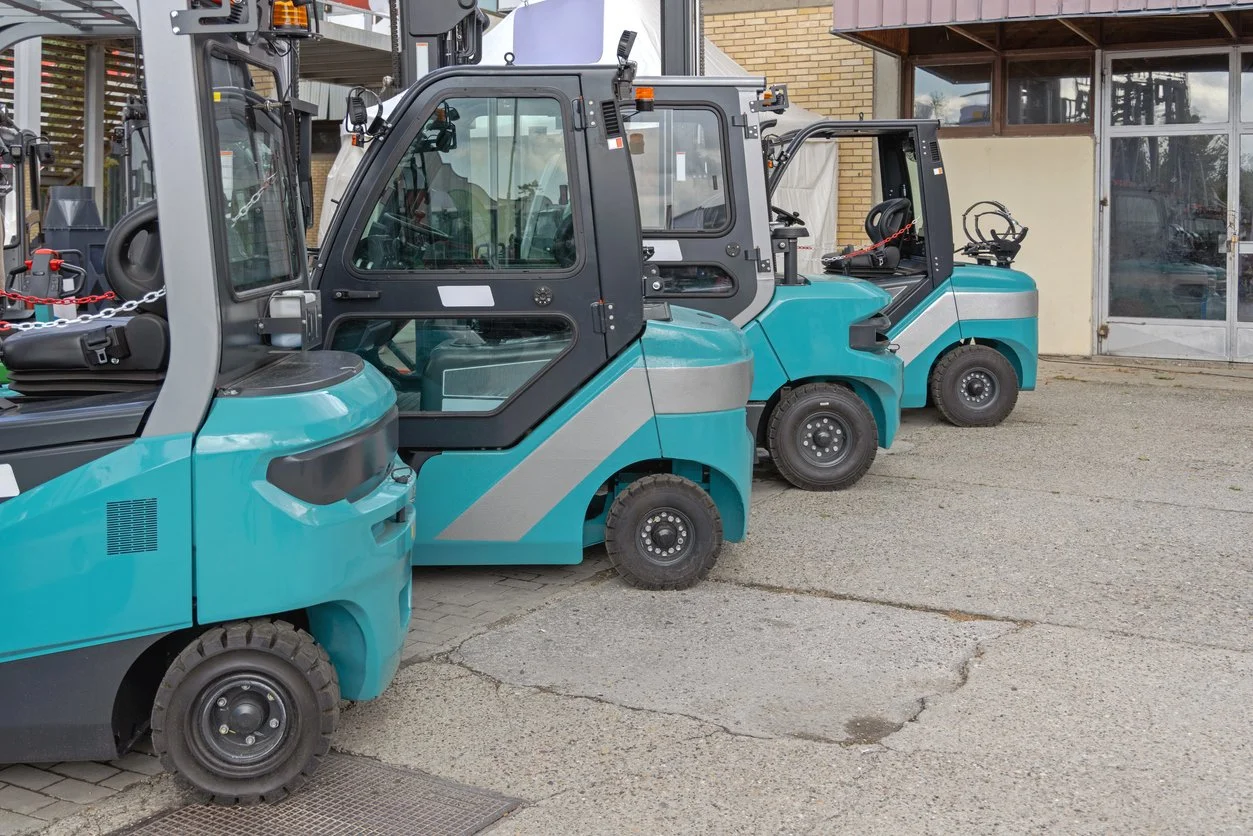
Electric forklifts use onboard batteries and electric motors to provide motive power, producing no tailpipe emissions and substantially lower noise. They operate with fewer mechanical components than internal combustion models, which reduces routine maintenance and part replacement needs while providing smoother torque delivery for delicate loads. For businesses prioritising indoor air quality, lower running costs, and quieter shifts, electric forklifts are often the preferred choice because they eliminate exhaust and can leverage off-peak electricity tariffs. Understanding these advantages helps weigh battery type, charging strategy, and duty cycle when comparing models.
How Do Electric Forklifts Reduce Operating Costs and Emissions?
Electric forklifts lower operating costs primarily through reduced energy and maintenance spend, and they remove onsite tailpipe emissions that require extra ventilation or operational controls. Electricity as an energy source simplifies refuelling logistics and removes fuel storage risks; fewer moving parts and no oil changes typically mean fewer service hours and lower parts spent. Emissions benefits are immediate onsite and improve with grid decarbonisation over time, reducing scope 1 and scope 2 footprints for corporate reporting. These operational savings are most pronounced in consistent indoor or predictable-shift environments where charging can be scheduled and battery health monitored.
Environmental Life Cycle Assessment: Electric versus Diesel Forklifts
The study demonstrated that utilising an electric forklift for the transport of 1 tonne of payload over a distance of 1 kilometre results in a significantly lower environmental impact compared to using one of the selected internal combustion engine-powered forklifts. Forklifts powered by liquefied petroleum gas (LPG) engines exhibit a significantly higher environmental impact, whilst the use of diesel engine vehicles shows an impact several times lower. In the case of unladen journeys, where the functional unit was defined as covering a 1-kilometre distance with no vehicle load, a lower impact was also observed for electric vehicles. The analysis encompasses the influences of upstream processes in fuel and electrical energy production.
An environmental life cycle assessment of forklift operation: a well-to-wheel analysis, P Fuc, 2016
What Are the Benefits of Lithium-ion vs Lead-acid Batteries in Electric Forklifts?
Battery chemistry strongly affects charge time, lifecycle, maintenance, and operational flexibility between shifts, with lithium-ion and lead-acid the primary options in many warehouses. Lithium-ion batteries offer faster opportunity charging, higher usable energy density, lower routine watering or equalisation demands, and a longer useful cycle life, which reduces downtime and total lifecycle maintenance. Lead-acid batteries generally have lower upfront cost and are widely supported for swap-out programmes, but they require scheduled watering, full-charge cycles, and staged maintenance that can increase labour requirements. Choosing between them depends on your shift patterns, charger availability, and willingness to invest in fast-charging infrastructure or battery-swap workflows.
This comparison shows lithium-ion favours throughput and lower operational downtime, while lead-acid can reduce initial capital outlay at the expense of maintenance overhead.
Which Applications Are Best Suited for Electric Forklifts?
Electric forklifts excel in indoor environments where emissions, noise, and precise manoeuvring are critical considerations, including warehousing, retail loading docks, cold storage, and food handling facilities. They are also suitable in multi-purpose indoor yards and manufacturing lines where operator comfort and reduced vibration improve safety and throughput. Environments with reliable charging infrastructure or predictable single-shift patterns benefit most from battery-powered fleets. Recognising these application fitments clarifies when an electric model will support productivity and compliance goals versus when an alternative is necessary.
What Are the Common Disadvantages of Electric Forklifts?
Electric forklifts can carry higher upfront purchase costs for comparable power and may be limited by charging infrastructure, battery replacement timing, and suitability for rough outdoor terrain. Charging downtime or inadequate charger planning can create operational bottlenecks for multi-shift operations unless you adopt battery-swap, fast-charge lithium-ion, or additional battery inventory strategies. Heavy-duty continuous outdoor use on uneven ground typically favours combustion options for traction and sustained power delivery. Businesses can mitigate many disadvantages through proper duty-cycle analysis, investment in lithium-ion charging strategies, and flexible hire arrangements for peak periods.
What Are the Main Advantages of Diesel Forklifts?
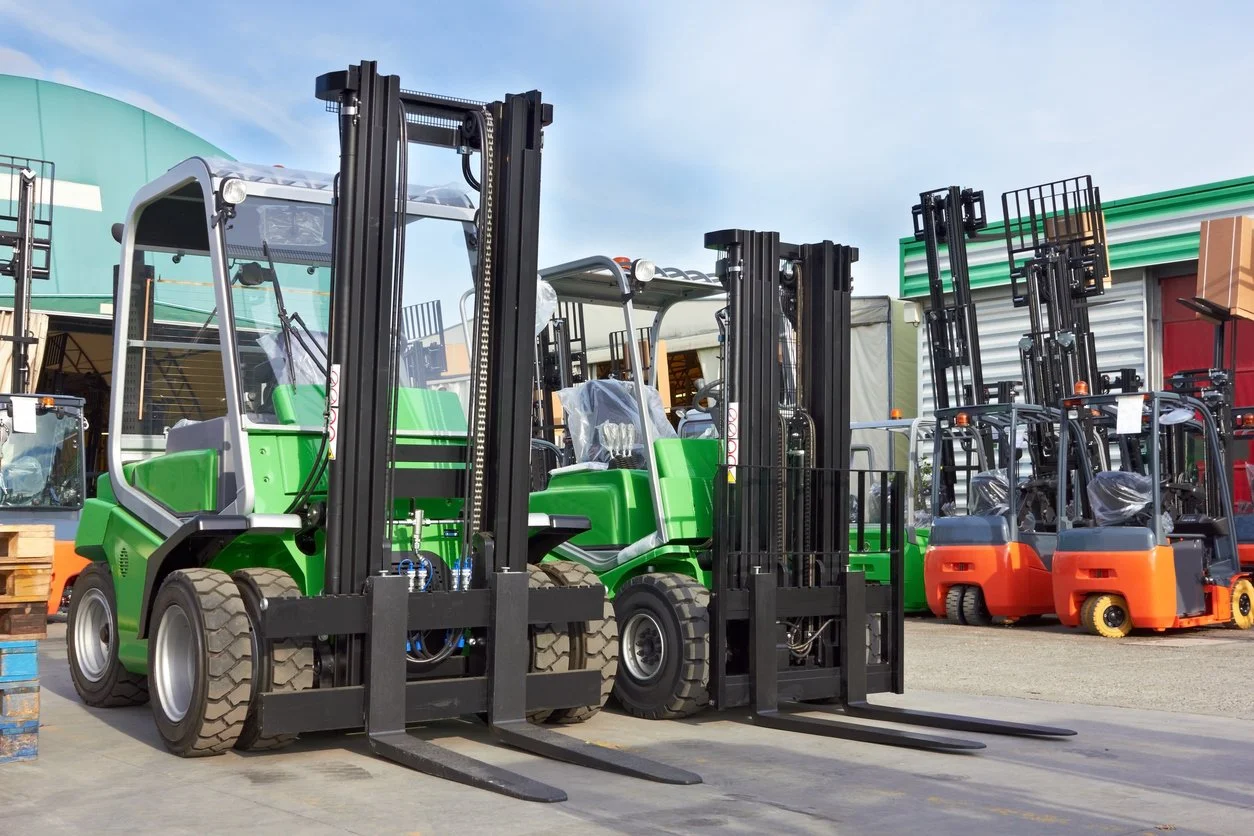
Diesel forklifts use internal combustion engines to deliver continuous high torque and long operating ranges, making them well suited for outdoor, heavy-duty, and uneven-terrain tasks. They offer rapid refuelling, robust endurance in long shifts, and are available in higher capacity bands for demanding loads where sustained power is required. For sites lacking charging infrastructure or with intermittent outdoor operations, diesel models often deliver better utilisation and simpler logistics around refuelling. Understanding these strengths clarifies why diesel remains prevalent in construction, ports, quarries, and heavy manufacturing.
How Do Diesel Forklifts Perform in Outdoor and Heavy-Duty Environments?
Diesel forklifts sustain continuous heavy loads and operate reliably on uneven terrain, gravel, and unsealed surfaces where traction and engine torque become critical to safe material handling. Their cooling, filtration, and drivetrain designs tolerate dust and harsher site conditions better than many electric units, reducing downtime in remote or rugged settings. Quick refuelling and long per-tank ranges minimise interruptions on long shifts and remote deployment. However, these performance benefits must be balanced against emissions, noise, and ventilation requirements when considering mixed indoor/outdoor sites.
What Types of Diesel Engines and Capacities Are Available?
Diesel forklifts are offered across light, medium, and heavy capacity bands to match varied lifting tasks, with engine and drivetrain choices calibrated to required lift heights and duty cycles. Common capacity bands align to specific job profiles, smaller 1–3 tonne units for lighter outdoor work, medium 3–5 tonne for general materials handling, and heavy 5–10+ tonne for port and construction lifts, each tuned for torque, fuel efficiency, and durability. Selecting the right engine and capacity begins with load profiling and terrain assessment so that power output aligns with operational needs. Matching capacity to task avoids over-specification that inflates costs or under-specification that reduces safety.
This table clarifies how engine and capacity choices translate into real-world suitability for diverse industries.
What Are the Typical Disadvantages of Diesel Forklifts?
Diesel forklifts generate tailpipe emissions, higher noise levels, and typically require more frequent mechanical servicing than electric alternatives, which increases operating and compliance costs. They may be restricted or require extra controls in indoor or enclosed spaces due to occupational health and safety rules, ventilation needs, and emissions regulations. Fuel storage and handling logistics add regulatory and safety overhead, especially on sites with explosive atmospheres or stringent environmental controls. Considering these disadvantages is essential when sites include indoor operations, food-handling areas, or tight environmental constraints.
Which Industries Benefit Most from Diesel Forklift Use?
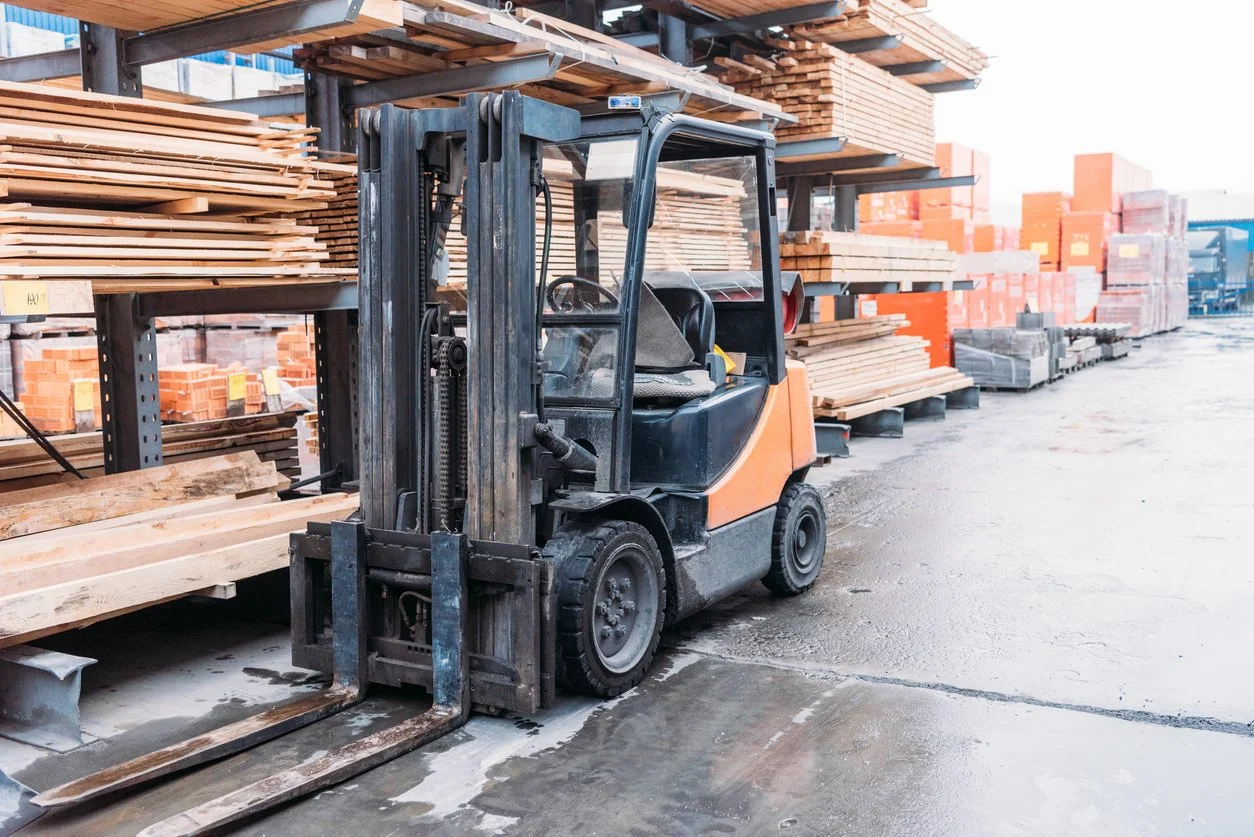
Industries that routinely handle heavy, irregular, or outdoor loads, such as construction, quarrying, ports, heavy manufacturing, and large outdoor storage yards, benefit most from diesel forklifts due to their continuous power and rugged design. Sites that lack reliable electricity for charging or that require long-range operation between refuelling events find diesel’s rapid refuel cycle advantageous. When operations include frequent travel over uneven surfaces or heavy lifting beyond common warehouse duties, diesel models retain clear operational advantages. These industry matchings help procurement teams justify diesel choice where electric alternatives would underperform.
How Do Electric and Diesel Forklifts Compare in Total Cost of Ownership?
Over a typical fleet lifecycle, neither electric nor diesel forklifts are universally cheaper; the total cost of ownership depends on upfront price, energy/fuel costs, maintenance, battery or engine replacement, and resale value. Electric models commonly have higher upfront cost but lower day-to-day energy and maintenance spend, while diesel models have lower initial purchase cost but higher fuel and servicing costs. Decision-makers should model duty cycles, NSW energy tariff structures, access to fast-charging, and expected resale scenarios to quantify TCO for their fleet. A careful TCO comparison highlights where higher capital investment in electric or lithium-ion tech returns value through reduced operating costs and regulatory compliance benefits.
To make TCO comparisons practical, consider these primary cost elements and how they typically differ between the two power types:
This EAV-style table summarises relative cost drivers so teams can input local NSW tariffs and fuel prices to build model-specific comparisons. To sell forklifts and informational Wollongong Forklift can provide model-specific price, lease and hire estimates and local cost estimates for NSW customers. Building TCO models that use local electricity tariffs, expected shift patterns and resale assumptions will reveal break-even horizons for electric investment versus diesel retention.
What Are the Upfront Purchase and Financing Costs for Each Forklift Type?
Upfront costs vary by powertrain, capacity and battery specification; lithium-ion-equipped electric units typically command a premium over lead-acid electric variants and comparable diesel models. Financing and hire-purchase options can smooth capital expenditure, and short-term hire provides an alternative to buying when demand is seasonal or uncertain. Businesses should compare total financed cost over the intended service life rather than headline purchase price, and factor potential incentives or operational savings into payback calculations. Trade-offs between buying and hiring often hinge on expected utilisation, maintenance capability and fleet management capacity.
How Do Fuel and Energy Costs Differ Between Electric and Diesel Forklifts in NSW?
Energy costs for electric forklifts are driven by electricity tariffs, charger efficiency and charging timing; shifting charging to off-peak periods or using smart charging can materially reduce $/hour operational energy. Diesel costs are exposed to fuel price volatility and additional logistics for fuel storage and handling. Operational profiles with predictable downtime favour electric charging strategies, whereas remote or variable operations may find diesel’s refuelling simplicity more economical in practice. Evaluating local NSW tariff structures and the practicality of off-peak charging is central to an accurate fuel vs energy cost comparison.
What Are the Maintenance and Battery Replacement Costs?
Maintenance for electric forklifts typically focuses on drivetrain checks, brake and tyre wear, and battery health monitoring, with battery replacement a major periodic cost that depends on chemistry and usage. Lead-acid batteries often need scheduled equalisation and more hands-on maintenance, while lithium-ion units lower routine service but involve higher replacement cost when the battery reaches end of life. Diesel units need engine servicing, filtration and fluid changes at regular intervals which can increase workshop hours and parts spend. Service agreements and preventative maintenance contracts can stabilise costs and improve uptime for either power type.
How Does Resale Value and Lifespan Affect Overall Cost?
Resale value is influenced by maintenance records, battery condition and the perceived durability of the platform; electric units with well-maintained batteries and service histories can hold strong resale values in markets prioritising low-emission equipment. Diesel resale depends on engine hours, service history and prevailing market demand for combustion units, demand can shift rapidly as regulations tighten. Lifespan planning should include scheduled battery replacement timelines for electrics and engine rebuild cycles for diesels, and both factors must feed into replacement reserves for fleet budgeting. Regular documentation of service and operation improves resale outcomes across power types.
What Are the Environmental and Regulatory Considerations for Electric vs Diesel Forklifts?
Environmental considerations centre on tailpipe emissions, scope 2 electricity emissions and corporate carbon accounting, while regulatory constraints determine where diesel use is restricted or requires mitigation measures. Electric forklifts eliminate onsite exhaust and noise, supporting indoor air quality and worker health, whereas diesel units incur emission controls and ventilation requirements in enclosed spaces. Employers should assess SafeWork NSW guidance and local environment regulations to confirm compliance for indoor operations and check for zone-specific restrictions. Aligning procurement with corporate sustainability targets can also unlock reputational and reporting benefits.
How Do Emissions and Carbon Footprints Compare?
Diesel forklifts generate direct tailpipe emissions that count toward scope 1 reporting, while electric forklifts shift emissions to the electricity source and therefore largely affect scope 2 accounting. The carbon footprint of electric forklifts improves as grid electricity decarbonises, potentially making electric fleets significantly lower-emission over time. For businesses tracking ESG metrics, evaluating lifecycle emissions, including battery manufacture and disposal, is important to capture true climate impacts. Prioritising renewable electricity procurement or onsite generation further reduces the effective footprint of electric fleets.
What NSW and Australian Regulations Impact Forklift Choice?
Workplace safety regulations and environmental controls determine acceptable use of diesel equipment in enclosed spaces and set ventilation, noise and emissions expectations for indoor operations. SafeWork NSW and local environmental authorities provide rules and guidance that may effectively prohibit or restrict combustion forklifts in some indoor settings without additional controls. Understanding these rules helps procurement and operations teams design compliant workflows and avoid costly retrofits or operational limits. Regular consultation with regulators and safety officers ensures chosen equipment meets both legal and insurance requirements.
How Do Corporate Sustainability Goals Influence Forklift Selection?
Corporate sustainability and ESG targets often prioritise lower-emission equipment and measurable reductions in operational carbon, which pushes procurement toward electric solutions where operationally feasible. Beyond emissions, sustainability considerations include lifecycle impacts, waste management for batteries, and reporting transparency for fleet emissions. Firms aligning forklift selection with sustainability goals can also capture operational benefits like reduced ventilation costs and improved worker health metrics. Evaluating incentives, grants or internal carbon pricing can make electric transitions more financially attractive.
How Can You Choose the Right Forklift for Your Business Needs?
Selecting the right forklift requires a structured checklist that covers operational environment, duty cycle, load profiles, shift patterns and budget constraints so that powertrain, capacity and service options align with business objectives. A clear decision framework prevents over-specification or under-provision and highlights where hire solutions or hybrid approaches may be the best short-term solution. Matching technical attributes like runtime, refuelling/charging strategy and terrain suitability to real tasks produces a procurement shortlist that balances cost, performance and compliance. Using a checklist simplifies stakeholder alignment and speeds procurement.
-
Operational environment: Identify indoor/outdoor mix, floor surface and ventilation constraints.
-
Duty cycle: Map average lift frequency, duration and peak periods across shifts.
-
Load profile: Match lift capacity and lift height to typical loads and attachments.
-
Budget and TCO: Compare upfront vs lifetime costs including energy, maintenance and resale.
-
Service and hire support: Ensure local service availability and flexible hire options for peaks.
This checklist helps translate operational realities into procurement choices by linking each factor to the most relevant forklift attributes and possible mitigations.
What Factors Should You Consider Based on Industry and Operational Environment?
Industries vary in priorities: warehousing and retail prioritise emissions and quiet operation, cold stores need models rated for low temperatures, and construction or ports demand rugged outdoor performance. Evaluate exposure to dust, moisture and temperature extremes when choosing mast and drivetrain protection levels. Consider available floor load ratings, aisle widths and attachment needs such as side-shifters or paper-roll clamps. These environment-specific considerations ensure the selected model delivers safe, efficient operation without unplanned modifications.
How Do Shift Patterns and Usage Frequency Affect Forklift Selection?
Single-shift operations with predictable downtime can use lead-acid batteries with overnight charging or scheduled swaps, while multi-shift high-utilisation sites favour lithium-ion opportunity charging or battery-swap systems to maintain throughput. Frequent operation increases the importance of charger availability and battery lifecycle management, and may make hire or lease options attractive to cover seasonal peaks without permanent capital commitment. Planning for spare batteries, rapid charging infrastructure and service windows prevents productivity loss. Operational flexibility is often as important as upfront cost in high-utilisation scenarios.
What Are the Safety Considerations for Electric and Diesel Forklifts?
Electric forklifts introduce battery-handling hazards, charging safety protocols and electrical isolation procedures that require staff training and appropriate PPE, while diesel forklifts need controls for exhaust, fuels and engine hot surfaces. SafeWork NSW guidance should inform ventilation, refuelling and battery charging areas and emergency procedures. Operator training must cover powertrain-specific checks, safe battery swapping or charging routines, and attachment use. Investing in training and clearly documented maintenance procedures reduces incidents and prolongs equipment life.
How Can Wollongong Forklift Help With Tailored Solutions and Flexible Hire Options?
Wollongong Forklift is an independent Australian-owned forklift dealer and rental service operating in the Illawarra region; the business offers a comprehensive range including petrol, diesel and electric forklifts, telehandlers, walkie stackers and pallet trucks for sale and hire. As a local supplier, they can advise on model selection that matches your duty cycle and site conditions, arrange flexible hire terms to cover seasonal peaks, and support after-sales service and maintenance tailored to NSW operations. Engaging a local dealer simplifies TCO modelling, access to service, and rapid parts availability to keep your fleet running.
What Are the Latest Trends and Innovations in Electric and Diesel Forklift Technology?
Recent innovation cycles focus on battery chemistry improvements, hydrogen fuel cell exploration, greater automation and smarter energy management to boost uptime and reduce TCO. Lithium-ion adoption and improved battery management systems enable opportunity charging, longer runtimes and integrated telematics for predictive maintenance. Hydrogen fuel cells are emerging for applications demanding rapid refuelling and long range where electrification constraints persist. These trends reduce operational barriers to electric adoption and influence fleet replacement planning over the next decade.
How Are Lithium-ion Batteries and Hydrogen Fuel Cells Improving Electric Forklifts?
Lithium-ion batteries reduce charge time and support opportunity charging that keeps trucks productive across shifts, while battery management systems extend cycle life and provide state-of-health data for fleet planning. Hydrogen fuel cells offer quick refuelling and long runtimes without heavy batteries, suitable where hydrogen infrastructure exists or where weight matters. Infrastructure trade-offs remain critical: lithium-ion relies on chargers and electrical capacity, hydrogen needs safe refuelling and gas handling. The choice depends on site energy availability, duty cycle and capital planning.
What Market Growth and Adoption Trends Are Shaping Forklift Choices in 2025 and Beyond?
Market adoption continues shifting toward electric forklifts driven by battery improvements, regulatory pressure and corporate sustainability targets, with fleet transitions accelerating in warehousing and retail segments. Demand for lithium-ion options and telematics-enabled fleet management is increasing as businesses prioritise uptime and predictive servicing. Manufacturers and dealers are offering more finance and hire options to ease transitions and test new technologies in live operations. These market dynamics make planning replacement cycles and pilot programmes an important part of procurement strategy.
How Are Emission Controls and Safety Standards Evolving?
Emission controls are tightening in many jurisdictions, increasing scrutiny of combustion equipment in enclosed or urban settings and elevating scrutiny of fleet emissions in corporate reporting. Safety standards are evolving to include connected and automated systems, requiring updated operator training and compliance checks for sensors, anti-tip systems and remote diagnostics. Regularly reviewing regulatory updates and aligning procurement with emerging standards reduces retrofit risk and supports safer automated operations. Companies should plan for periodic compliance reviews to keep fleets aligned with regulation and insurance requirements.
What Frequently Asked Questions Do Businesses Have About Electric vs Diesel Forklifts?
Businesses commonly ask direct, short questions that hinge on environment, duty cycle and cost; clear, concise answers help expedite procurement decisions and align stakeholders. The FAQ below provides succinct guidance with pointers to the decision framework and TCO considerations already discussed. Use these answers to validate shortlist choices before engaging suppliers or arranging trial hire.
Which Is Better: Electric or Diesel Forklift?
There is no universal “better” option; the right choice depends on indoor vs outdoor environment, duty cycle, and budget priorities, with electric favoured for indoor, low-emission needs and diesel for rugged outdoor heavy-duty tasks. Assessing load profiles, shift patterns and local electricity availability quickly reveals which powertrain is operationally superior. Use the decision checklist to map requirements to attributes and pilot a model on hire where uncertainty remains. Practical trials often resolve borderline cases more reliably than theoretical comparison alone.
Are Electric Forklifts Cheaper to Run Than Diesel?
Electric forklifts are often cheaper to operate per hour due to lower energy and maintenance costs, but higher upfront investment can extend payback periods depending on usage intensity and local electricity tariffs. Savings are clearer when charging can be scheduled to take advantage of off-peak rates or when lithium-ion opportunity charging reduces downtime. Diesel may be cheaper to acquire and simpler to deploy in remote or highly variable operations. Calculating TCO with your site’s real energy and utilisation data gives the most reliable answer.
What Is the Lifespan of an Electric Forklift Battery?
Battery lifespan varies by chemistry, usage and maintenance: lead-acid batteries generally have shorter cycle life and require scheduled equalisation, while lithium-ion batteries typically last longer with less routine maintenance and better depth-of-discharge resilience. Proper charging practices, temperature management and avoiding deep-discharge cycles extend battery life significantly. Monitor battery state-of-health through onboard telematics to plan replacement before capacity loss impacts operations. Lifespan expectations should feed directly into replacement reserves in fleet budgets.
What Are the Disadvantages of Diesel Forklifts?
Diesel forklifts have higher tailpipe emissions, greater noise and typically higher routine maintenance needs, which can limit their suitability for indoor or sensitive environments and increase operating costs. They require fuel storage and handling procedures and are more exposed to fuel price volatility. These disadvantages must be managed with ventilation, noise controls and rigorous servicing to meet safety and environmental requirements. In mixed sites, consider segregating diesel use to outdoor zones to reduce indoor exposure.
How Long Does It Take to Charge an Electric Forklift?
Charge times depend on battery chemistry and charger power: lead-acid batteries usually need longer full-charge cycles and planned downtime, whereas lithium-ion cells support faster charge rates and opportunity charging that fits between shifts. Fast-charge infrastructure and charger capacity determine whether rapid top-ups are practical without harming battery longevity. For multi-shift sites, design chargers and battery management strategies to match duty cycles and avoid operational downtime. Planning for charger redundancy reduces risk of single-point failures.
Wollongong Forklift is an independent Australian-owned forklift dealer and rental service operating in the Illawarra region; it offers a comprehensive range including petrol, diesel and electric forklifts, telehandlers, walkie stackers and pallet trucks for sale and hire, with a focus on tailored solutions, customer support and competitive pricing. For a tailored consultation, model-specific pricing or hire options suited to your site and shift patterns, contact Wollongong Forklift to discuss a no-obligation assessment or quote and arrange trials or short-term hire to validate choices.