Understanding Heavy-Duty Forklifts: What Businesses Need to Know
Written By : Darko
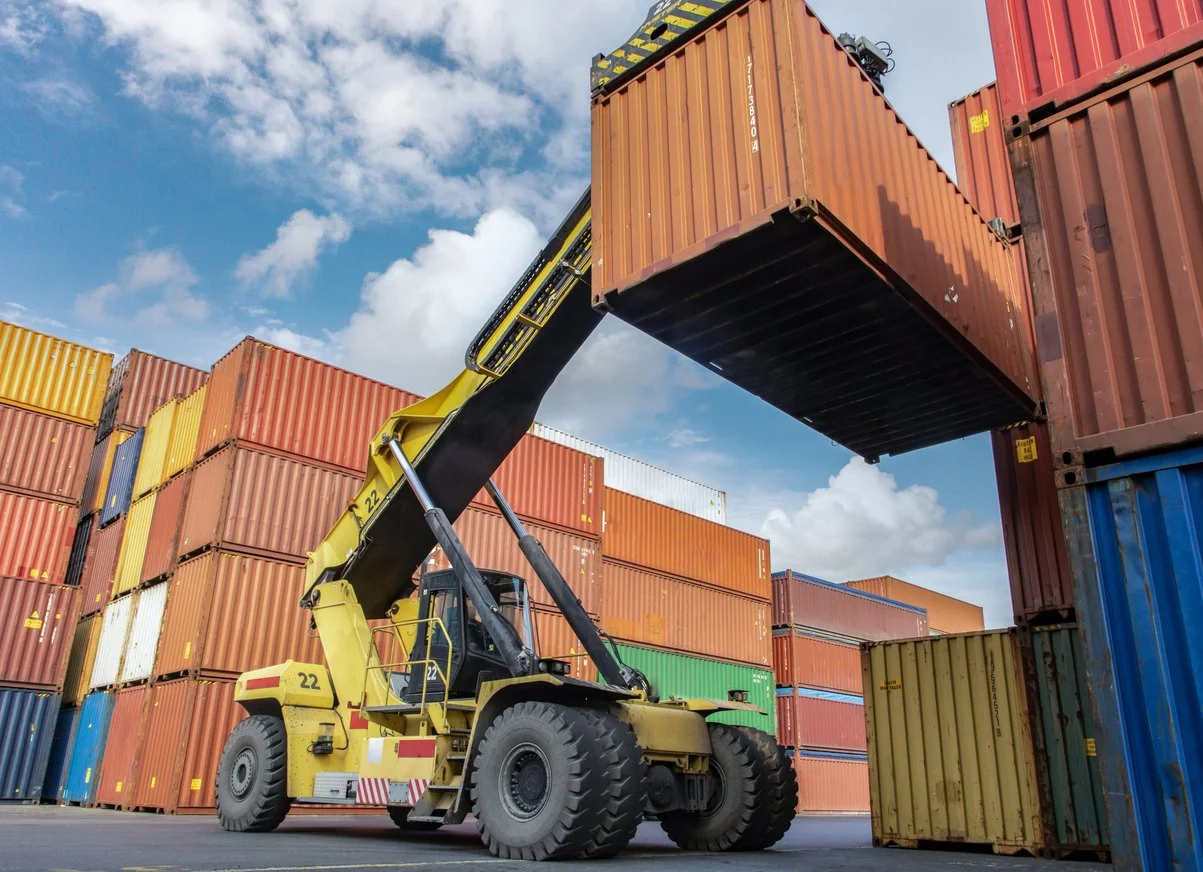
Heavy-duty forklifts provide robust material handling for businesses that require reliable lifting and transport of large loads. These machines serve warehouses, construction sites, and manufacturing facilities by enabling safe, efficient movement of heavy items. This article examines key specifications, selection criteria, rental options, safety guidelines, and maintenance best practices to support informed decision-making and operational safety.
Heavy-Duty Forklift Specifications Explained
Understanding specifications is essential when selecting a heavy-duty forklift. Primary factors include load capacity, lift height, and fuel type. Load capacity denotes the maximum safe weight the machine can lift and varies by model. Lift height determines suitability for different storage configurations. Fuel type, electric, diesel, or LPG, affects operating costs and environmental performance.
For businesses seeking to acquire heavy-duty forklifts, Wollongong Forklift supplies a range of models tailored to different operational requirements. Their product range is designed to match varied specifications so businesses can identify the appropriate equipment for their needs.
Choosing the Best Heavy-Duty Forklift for Your Warehouse
Selecting the correct heavy-duty forklift requires assessment of operational requirements to ensure a proper fit. Consider the following key factors:
Assessing Load Capacity: Determine the maximum weight you need to lift regularly. This will help narrow down your options to forklifts that can handle your specific requirements.
Evaluating Fuel Types: Consider the advantages and disadvantages of electric, diesel, and LPG forklifts. Electric models are quieter and more environmentally friendly, while diesel forklifts often provide greater power and longer operational times.
Considering Aisle Width Compatibility: Ensure the forklift can manoeuvre within your warehouse layout. Narrow-aisle forklifts are ideal for tight spaces, while standard models may be better for larger areas.
Wollongong Forklift provides professional guidance to help choose the heavy-duty forklift that best improves productivity and workplace safety.
Heavy-Duty Forklift Rental Options and Considerations
Renting a heavy-duty forklift is a cost-effective option for temporary or seasonal needs. The following considerations help assess rental suitability:
Rental Duration Options: Determine how long you will need the forklift. Many rental companies offer flexible terms, from short-term rentals to long-term leases.
Cost Considerations: Compare rental rates and understand what is included in the price, such as maintenance and insurance. This will help you budget effectively.
Maintenance and Support Services: Ensure that the rental company provides maintenance support during the rental period. This can prevent unexpected downtime and ensure safety.
Wollongong Forklift offers a variety of rental plans so businesses can select terms that meet operational demands without committing to purchase.
Essential Heavy-Duty Forklift Safety Guidelines
Safe operation of heavy-duty forklifts is critical to prevent accidents and protect personnel. The following guidelines support safe workplace practices:
Operator Training Requirements: Ensure that all operators are properly trained and certified to operate heavy-duty forklifts. This training should cover safe operating procedures and emergency protocols.
Pre-Shift Inspection Protocols: Conduct thorough inspections before each shift to identify any potential issues with the forklift. This includes checking fluid levels, brakes, and safety features.
Load Handling Safety: Always adhere to load capacity limits and ensure loads are balanced and secure before lifting. This minimises the risk of tipping or dropping loads.
Adherence to these safety measures helps create a safer working environment and reduces the likelihood of accidents.
Heavy-Duty Forklift Maintenance Tips and Best Practices
Consistent maintenance is essential to ensure reliability and extend the service life of heavy-duty forklifts. Adopt the following best practices:
Routine Maintenance Checks: Schedule regular maintenance checks to identify and address potential issues before they escalate. This includes checking hydraulic systems, brakes, and tyres.
Hydraulic System Inspections: Regularly inspect the hydraulic system for leaks and ensure that fluid levels are adequate. A well-maintained hydraulic system is essential for safe operation.
Operator Training for Maintenance: Train operators on basic maintenance tasks, such as checking fluid levels and conducting pre-shift inspections. This empowers them to take an active role in the upkeep of the forklift.
| Maintenance Task | Frequency | Importance |
|---|---|---|
| Routine Checks | Daily | Prevents breakdowns |
| Hydraulic Inspections | Weekly | Ensures safe operation |
| Tyre Maintenance | Monthly | Enhances stability and safety |
Implementing these maintenance practices will help businesses maximise forklift performance and safety, contributing to improved operational efficiency.
Conclusion
Investment in heavy-duty forklifts can strengthen operational efficiency, safety, and productivity. A clear understanding of specifications, rental choices, and maintenance practices enables businesses to make decisions aligned with their operational objectives. Review the model range and professional guidance at Wollongong Forklift to identify suitable material handling solutions and progress towards optimising operations.